
Key takeaways
- Richmond village Tasmania sits about 25 km northeast of Hobart, roughly a 20 to 25 minute drive, which makes it one of the easiest heritage day trips in the south.
- Richmond Gaol, built in 1825, is the oldest intact gaol in Australia, and the Richmond Bridge dates from the same year.
- The Coal River Valley is a cool-climate wine region built around Richmond, known for pinot noir, chardonnay, riesling, and sparkling wines.
- A private, customised pace lets you combine heritage walking and cellar doors on your own timing, as a single day or an overnight escape.
Richmond village Tasmania sits about 25 km northeast of Hobart, close enough for a relaxed morning drive and far enough to feel like a proper escape. In a single loop you can walk across Australia's oldest intact gaol precinct, cross a sandstone bridge built in 1825, wander lanes lined with colonial shopfronts, and taste cool-climate wine at cellar doors just minutes away in the Coal River Valley.
This guide covers what to see in the village, where the wine sits, how close it all is to Hobart, and why a private, customised pace suits this corner of Tasmania better than a rushed coach stop.
Exploring historic Richmond: the bridge, the gaol, and the lanes
Richmond is one of the best preserved Georgian villages in Australia, and most of what makes it special is within easy walking distance.
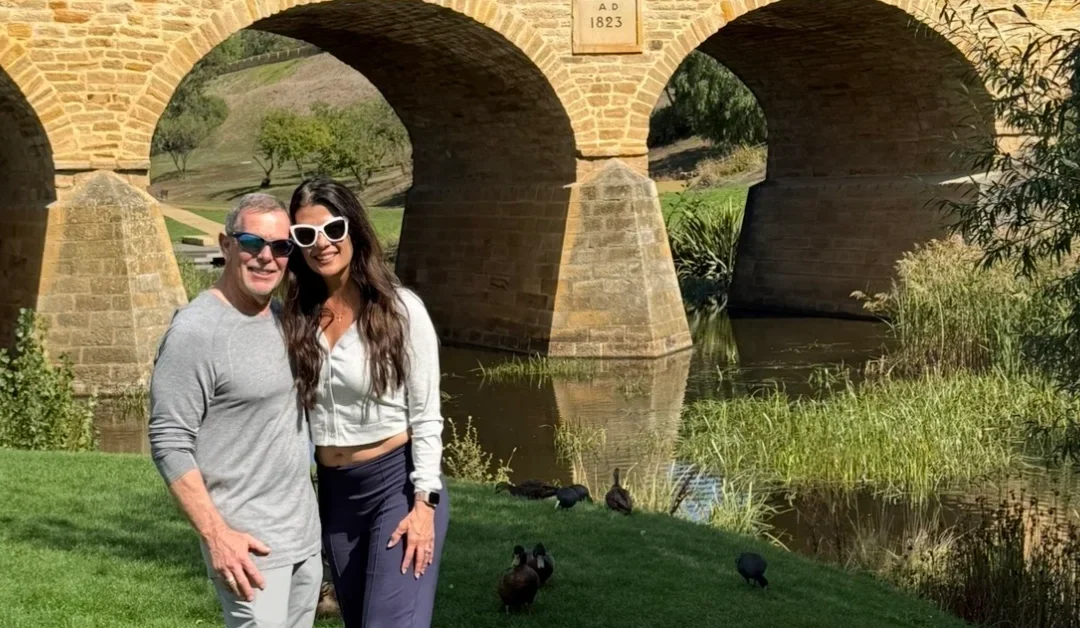
The Richmond Bridge is the obvious starting point. Convicts built it from local sandstone in 1825, and it still carries traffic two centuries later, which makes it one of the oldest bridges of its kind still in daily use in the country. Walk down to the grassy riverbank below to see the six arches properly, watch the ducks on the Coal River, and understand why this single structure anchors the whole village.
A short stroll away is Richmond Gaol, built in the same year. According to the official state tourism body, Richmond Gaol is "the oldest intact gaol in Australia," and you can still walk through the solitary cells, the women's quarters, and the courtyards where convicts were held before Port Arthur was established. The gaol marked its 200th year in 2025, so you are stepping into a genuine bicentenary site rather than a reconstruction.
Between those two landmarks, the village lanes reward slow wandering. Sandstone cottages now hold galleries, antique shops, a working bakery, and cafes with outdoor tables. Highlights worth a look include:
- St John's Church, often cited as Australia's oldest Catholic church
- The old post office and courthouse buildings along Bridge Street
- Small artisan and lolly shops tucked into original colonial frontages
- Quiet riverside paths that connect the bridge, the gaol, and the village green
The pleasure of Richmond is that nothing is rushed. You can read every plaque, photograph the bridge in good light, and still have the afternoon free for wine.
Coal River Valley cellar doors and cool-climate wines nearby

Richmond sits at the heart of the Coal River Valley, one of southern Tasmania's most accessible wine regions. The valley is a cool-climate area, which is exactly what gives the wines their precision: long, gentle ripening produces bright acidity and clean fruit.
The signature styles here are pinot noir, chardonnay, riesling, and sparkling wine, and several cellar doors sit within a few minutes of the village. For a classic Coal River Valley cellar door, Craigow is a lovely stop, a family vineyard known for its riesling and pinot noir where tastings feel personal rather than processed.

Because the cellar doors are clustered so close together, the valley lends itself to a measured tasting route rather than a dash between big names. A good rhythm is two or three cellar doors across an afternoon, with a long lunch somewhere in between, so you actually taste what you are drinking instead of ticking boxes. If you want the full wine-country picture, our Coal River Valley wine guide goes deeper on the cellar doors near Hobart.
For a heritage-and-wine day, the structure almost writes itself: bridge and gaol in the morning, lanes and lunch at midday, cellar doors in the afternoon.
How close it all sits to Hobart
One of Richmond's biggest advantages is simply how near it is. The drive from Hobart is roughly 25 km, described by the state tourism body as "a 20-minute drive north-east of Hobart," which means you can leave the city after breakfast and be crossing the Richmond Bridge before the first coach tours arrive.
That proximity changes how you plan the day. You are not committing to a long haul or a dawn start. You can:
- Spend a relaxed half day on heritage alone and be back in Hobart for dinner
- Combine Richmond with a full Coal River Valley wine afternoon
- Fold it into a wider loop toward the Tasman Peninsula or back through the Hobart waterfront
The short distance also means timing is flexible. Arrive early for quiet photos at the bridge, or come mid-afternoon when the morning crowds have moved on and the cellar doors are at their most welcoming.
Why a private, customised pace beats a rushed coach stop
Richmond is a common stop on large coach circuits, and the difference in experience is stark. A big bus typically pauses for 30 to 45 minutes: enough time for a photo of the bridge and a quick walk, but not enough to step inside the gaol, settle into a cellar door, or linger over lunch.
A small-group, private approach flips that. Adventure Trails Tasmania runs Richmond and the Coal River Valley as a fully customised day, so the pace follows your interests rather than a fixed schedule. If you want an extra hour tracing convict history at the gaol, you take it. If you would rather spend the afternoon at one cellar door than rush three, that is your call.
That flexibility matters most around wine. Tasting is better unhurried, and a private driver means everyone in your group can taste freely without worrying about the drive home. It is the same philosophy we bring to our private Bruny Island day tours: Tasmania your way, built around the people in the car.
Combining heritage and wine your way, as a day or overnight escape
The real strength of Richmond and the Coal River Valley is how naturally the two halves fit together. Morning heritage and afternoon wine make a complete, satisfying day, and because everything sits so close to Hobart, nothing feels rushed.

If a single day feels tight, this region also works beautifully as an overnight escape. An extra evening lets you slow the wine tasting right down, eat a long dinner near the valley, and add a second region the next morning. Many guests pair Richmond with a run along the east coast toward Freycinet, or add a Hobart distilleries, or the Bonorong wildlife sanctuary in the, (or flip in the morning), afternoon on the way home, depending on what they most want to see.
That is the point of touring this corner privately: you decide the mix. Heritage first, wine first, a half day or a full weekend, as a tight loop or part of a longer Tasmanian journey.
The simplest next step is to sketch the version of this day you actually want, how much time at the gaol, how many cellar doors, whether you stay a night, and shape the route around that. Talk to Adventure Trails Tasmania about a customised Richmond and Coal River Valley itinerary, and you get the heritage and the wine at your own pace rather than the coach timetable's.
Frequently asked questions
Where is Richmond village in Tasmania?
Richmond is a small historic village about 25 km northeast of Hobart, roughly a 20 to 25 minute drive. It sits at the heart of the Coal River Valley wine region.
What is Richmond Tasmania known for?
Richmond is known for the Richmond Bridge and Richmond Gaol, both dating from 1825, along with its convict-era sandstone streetscape and the surrounding Coal River Valley cellar doors.
Can you visit Richmond and the Coal River Valley on a day trip from Hobart?
Yes. Richmond is close enough to Hobart for a relaxed half or full day. You can also extend heritage and wine into an overnight escape if you want a slower pace.
What wines does the Coal River Valley produce?
The Coal River Valley is a cool-climate region best known for pinot noir, chardonnay, riesling, and sparkling wines, with cellar doors clustered close to Richmond.