
Key takeaways
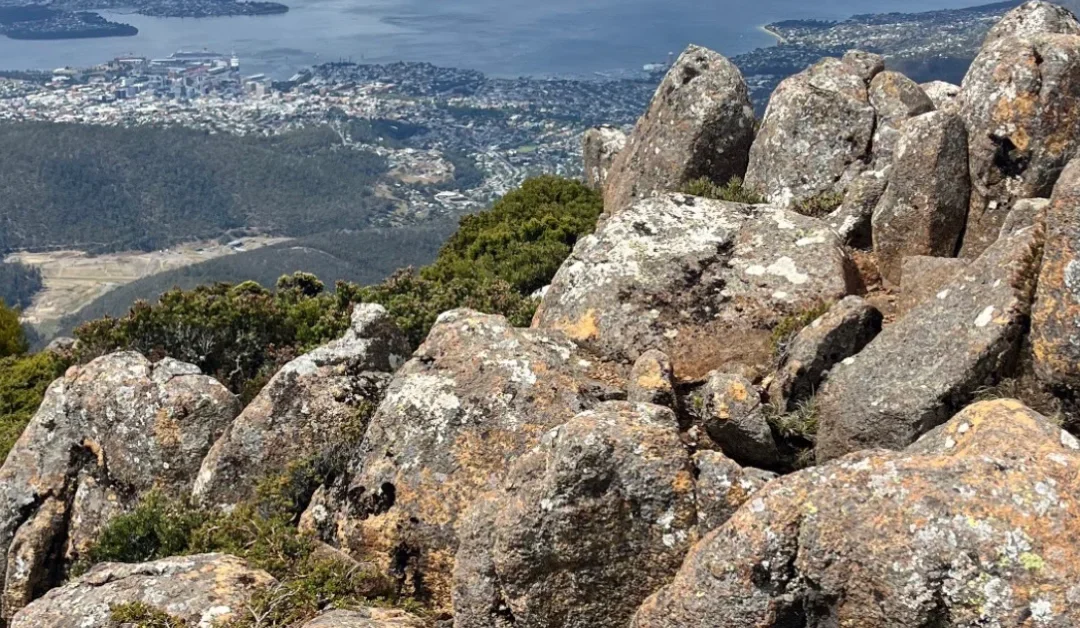
- kunanyi/Mt Wellington rises to 1,271 metres, giving a 360-degree view over Hobart, the Derwent estuary and south to Bruny Island on a clear day.
- The Organ Pipes are dolerite columns up to 120 metres high, formed in the Jurassic period as Tasmania split from Antarctica.
- The summit runs far colder and windier than the city, so layers and a flexible plan matter more than a fixed schedule.
- A sealed road reaches the Pinnacle, so a private driver-guide can pair the mountain with Cascade Brewery and the city in one relaxed day.
From the Pinnacle of kunanyi/Mt Wellington you look straight down onto Hobart, the Derwent estuary and, on a clear day, south toward Bruny Island. The summit stands at 1,271 metres, per the Wellington Park Management Trust, and a sealed road carries you almost to the top, so the view is within reach of anyone, whatever their fitness.
This guide covers what you actually see up there, how the weather reshapes the trip, the easy ways to reach the summit with a private driver-guide, and how the mountain slots into a fuller Hobart day. Adventure Trails Tasmania runs small-group, fully customised touring across southern Tasmania, so the mountain can be the whole morning or one chapter of a longer route.
What You See From the kunanyi/Mt Wellington Summit Lookout
The Pinnacle lookout gives a near 360-degree panorama: Hobart spread along the Derwent, the river widening to the sea, and ranges rolling away to the horizon. kunanyi/Mt Wellington sits inside Wellington Park, a large protected reserve, so the view takes in a lot of bush as well as the city.

The enclosed observation shelter matters here. Wind at the top can be fierce, and the glass-walled deck lets you take in the whole sweep without being blown off your feet. Look east and you trace the river mouth; look south on a clear morning and Bruny Island stands out past the suburbs.
Below the summit, the Organ Pipes are the mountain's signature. These dolerite columns rise up to 120 metres and formed in the Jurassic period as Tasmania pulled away from Antarctica during the breakup of Gondwana, as Parks Tasmania describes them. Rock climbers thread routes up the columns, and even from the road they are a striking wall of stone.
Want the geology up close? The Organ Pipes track reaches the base of the columns, and a local driver-guide can point you to the easy viewpoints if a full walk is not on the plan.
How Weather and Seasons Change the Mountain
The mountain makes its own weather, and the summit runs far colder and windier than the city below. Snow can dust the Pinnacle while Hobart stays mild, and cloud can swallow the top within minutes. This is the single biggest thing first-time visitors underestimate.
In winter the summit can sit near freezing with driving wind, and the road sometimes closes for snow or ice. In summer the lookout is often warm and clear in the morning, then cloud builds by afternoon. Spring and autumn swing between the two in a single day, which is part of the fun if you come prepared.
What does this mean for your visit? Dress in layers you can add and shed, and treat the summit as a plan with options rather than a fixed slot. On a grey morning the mountain might be socked in at nine and brilliant by eleven. A flexible, customised day lets you chase the clear window instead of locking in the wrong hour.
The practical upside of touring with a local is timing. A driver-guide who watches the mountain every week reads the cloud and the forecast, then points the day at the summit when the view is open and fills the murk with brewery and city stops.
Easy Ways to Reach the Top With a Private Driver-Guide

The simplest route up is the sealed Pinnacle road, which climbs from the edge of Hobart to the summit car park and lookout. You do not need to walk a step to earn the view. For travellers who would rather not tackle a steep, narrow mountain road in a hire car, a private driver-guide removes the only real friction.
On a small-group private tour, you ride up in comfort while someone else manages the hairpins, the weather calls and the parking. The guide narrates the geology, the palawa name kunanyi and its meaning to the Tasmanian Aboriginal community, and the landmarks laid out below. You simply look.
Because Adventure Trails Tasmania builds every itinerary from scratch, the mountain can be a quick sunrise dash or a slow mid-morning stop with a walk to the Organ Pipes. There is no fixed bus timetable and no crowd to wait for. The day bends to your pace and the day's weather.
If you prefer more time on foot, guides can tailor a short walk from the Pinnacle or lower trailheads. If you want warmth and views only, you stay in the shelter. Either way the hard logistics are handled.
Combining kunanyi With Cascade Brewery and the City Below
The mountain pairs naturally with what sits at its feet. Cascade Brewery, Australia's oldest continually operating brewery, stands on the lower slopes, so a morning at the summit and an afternoon in the historic brewery grounds form one tidy loop. You see the city from above, then walk its oldest industrial landmark.
From there the rest of Hobart opens up. The Cascades Female Factory tells a sober convict story a short distance away. The waterfront, Salamanca and the harbour sit downhill, and the city's distilleries are a strong draw in their own right. Tasmanian whisky and gin have built a serious reputation, with pepper berry lending local gins a distinctive warmth.
A fully customised day lets you stitch these together without backtracking. Summit first while the view is clear, then descend into the city's history, food and drink as the afternoon settles. For a deeper look at the drinks side, our Hobart distillery tour guide walks through the standout whisky and gin makers worth a tasting.
Shaping the Mountain Into Your Fully Customised Hobart Day

kunanyi/Mt Wellington is rarely a full day on its own. Thirty to sixty minutes covers the main lookout, which leaves the rest of the day open for whatever interests you most. That is where a private, small-group approach earns its place.
You might run the summit into the Coal River Valley for lunch and a cellar door at Craigow, then back through historic Richmond. You might swing the day toward Mt Field National Park and its waterfalls, or keep it urban with brewery, distillery and waterfront stops. The mountain is the opening act, not the whole show.
Prefer a bigger landscape? The same custom approach extends well beyond the city. Guests often pair southern Tasmania with the east coast or add an overnight leg, including multi-day options on Bruny Island with a private garden walk and chocolate at Hiba. A single day works beautifully, and so does stretching it across two or three.
The point of touring this way is control without effort. You name the mix of wild views, history and food. The guide reads the mountain's mood, sets the order, and keeps the day moving.
The next step is simple: decide roughly what you want your Hobart day to feel like, summit-and-city, summit-and-wine, or a longer run down the coast, and let Adventure Trails Tasmania build the route around the weather and your pace.
Frequently asked questions
How high is kunanyi/Mt Wellington?
The summit sits at 1,271 metres above sea level, high enough that the Pinnacle can hold snow while Hobart stays mild below.
Can you drive to the top of kunanyi/Mt Wellington?
Yes. A sealed road runs all the way to the Pinnacle lookout. It can close in snow or high wind, so check conditions or let a local driver-guide handle the timing.
What are the Organ Pipes on kunanyi/Mt Wellington?
They are tall dolerite columns up to 120 metres high on the mountain's eastern face, formed in the Jurassic period during the breakup of Gondwana.
How long do you need at the summit?
Thirty to sixty minutes covers the main lookout, but a wider southern Tasmania day lets you combine the mountain with the city, breweries and cellar doors.
Is the summit much colder than Hobart?
Yes, noticeably. The Pinnacle is often windy and can be near freezing even when the city is pleasant, so pack warm layers whatever the season.